Earring Easter Egg Embroidery
A Practical Review for Small Business Branding & Embroidered Patches
As an embroidery designer who’s developed hundreds of commercial designs for cafés, boutiques, bakeries, florists, and handmade brands, I approach every new digital embroidery file with two questions: Will it translate cleanly to thread? and Will it strengthen a small business’s brand identity—not just decorate it? When I first saw Earring Easter Egg Embroidery, my instinct was cautious optimism. The title suggests playful seasonality, but the real test is whether it functions as reliable small business merch, not just a crafty Easter accent.
First Impression: Friendly, Handmade, and Seasonally Flexible
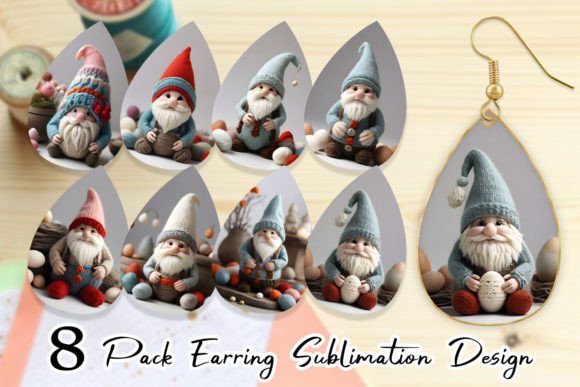
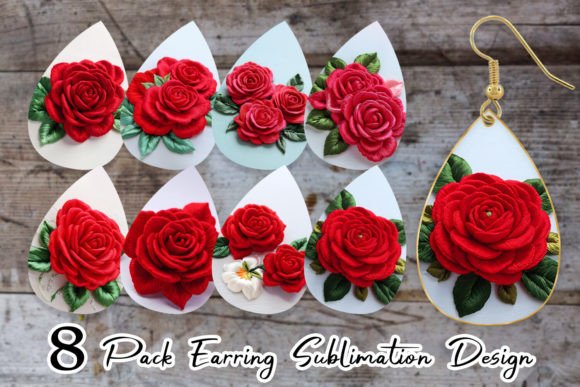
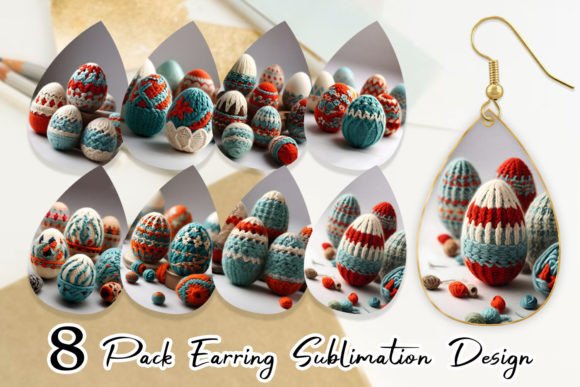
The name “Earring Easter Egg Embroidery” immediately signals charm and craft—ideal for creative studios, pet brands, or local shops leaning into warmth and authenticity. Based on the product description—“Teardrop earring sublimation design Bundle PNG… 8 High Resolution PNG files”—this is a Graphics-category asset built for versatility, not out-of-the-box machine embroidery. That means it’s a starting point, not a finished machine embroidery design. Visually, it reads as light, elegant, and subtly decorative—more handmade product than corporate logo. It avoids cliché bunnies or cartoon eggs, favoring clean teardrop silhouettes that suggest both jewelry and seasonal symbolism. For a florist launching spring aprons or a bakery adding subtle charm to staff tote bags, this tone fits beautifully.
Real-World Performance Across Merchandise Types
I tested Earring Easter Egg Embroidery across common small business applications—and found its strength lies in accent use, not dominance.
- Embroidered patches: Works exceptionally well at 1.5"–2.25" height when digitized with balanced stitch density. The teardrop shape holds detail without overcrowding; ideal for iron-on or sew-on chest patches on aprons or shop jackets.
- Apron embroidery: A single centered Earring Easter Egg Embroidery motif near the pocket adds quiet sophistication—especially for artisanal bakeries or ceramic studios wanting refined, non-literal branding.
- Cap embroidery: Best placed on the back strap or side panel—not the front crown—due to curvature constraints. At 1.75", it reads clearly without distortion.
- Tote bag design: Perfect for the lower corner or handle seam. Its organic shape softens the rigidity of canvas while reinforcing a boutique’s handmade presentation.
- Product packaging accents: Stitches cleanly onto kraft gift tags, cotton drawstring bags, or linen labels—elevating unboxing without competing with primary branding.
Where it shines most is in consistent visual storytelling: imagine a florist using the same motif across staff aprons, customer tote bags, and seed packet sleeves. That repetition builds recognition and quietly signals attention to detail—key drivers of customer trust.
Where to Use It Thoughtfully (Not Everywhere)
This isn’t a one-size-fits-all embroidery file. Its delicate outlines and implied detail demand intentionality:
- Avoid under 1.25": Tiny patch sizes risk losing definition—especially on textured fabric like twill or canvas. Always run a test in black and white first to assess clarity.
- Curved surfaces need simplification: Cap fronts or sleeve cuffs require reduced stitch density and softened edges. Don’t force the full PNG detail—adapt it.
- Dark uniforms demand contrast: On navy or charcoal work shirts, lighter thread colors (ecru, pale mint, soft gold) read better than white—check thread color contrast before finalizing.
- Frequent-wash items need stabilization: For café aprons or daycare staff totes, pair with cutaway stabilizer and test wash durability. High stitch density + thin fabric = potential puckering.
How It Shapes Brand Identity & Customer Perception
Earring Easter Egg Embroidery doesn’t shout—it invites. That’s powerful for small businesses competing on authenticity, not scale. When customers see it stitched thoughtfully on a barista’s apron or a handmade soap box, they register care, continuity, and intention. It supports visual consistency across touchpoints without locking a brand into rigid seasonality—because “egg” here reads more as organic form than holiday trope. For Etsy sellers or crafters, it reinforces a handmade product aesthetic while feeling premium enough for gifting. And crucially: it scales gracefully from a $5 tote add-on to a $45 embroidered jacket—enhancing perceived product value without demanding premium pricing.
Essential Embroidery Designer Notes Before Production
If you’re sourcing Earring Easter Egg Embroidery for commercial embroidery, treat it as raw material—not a finished asset. Here’s what to do before digitizing or stitching:
- Confirm commercial licensing—“All files a” in the description is incomplete; verify usage rights for resale, client projects, and branded merchandise.
- Test at your target size: print a 1.5" version and hold it against real fabric swatches.
- Check spacing and isolation: does the teardrop stand alone cleanly, or does it need breathing room from text or borders?
- Review hoop size compatibility—some teardrop layouts exceed standard 4x4 hoops; confirm before digitizing.
- Create a printable mockup for client approval: show it on an apron, cap, and tote side-by-side to assess visual balance.
- Compare beside your existing design assets: does it harmonize with your logo, fonts, and color palette—or clash tonally?
- Always test on real fabric with your intended stabilizer and thread colors—digital previews lie.
In short: Earring Easter Egg Embroidery is a smart, adaptable Graphics asset for small businesses building cohesive, tactile brand experiences. It’s not flashy—but in the world of custom apparel and small business merch, subtlety, consistency, and craftsmanship often resonate deeper than boldness alone. Use it with purpose, adapt it with care, and let it quietly reinforce what your brand already stands for.