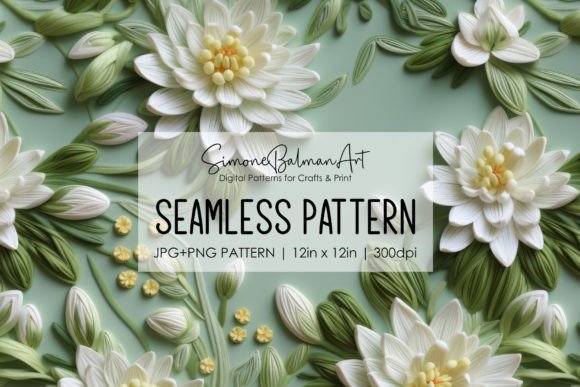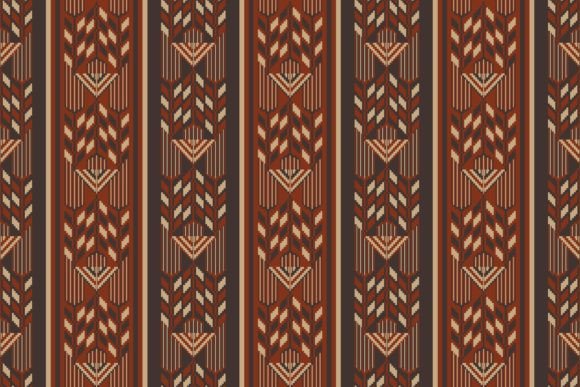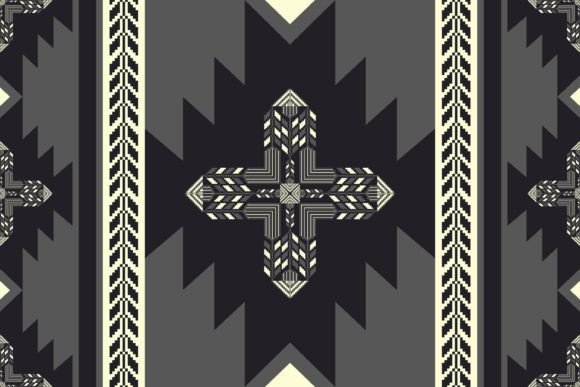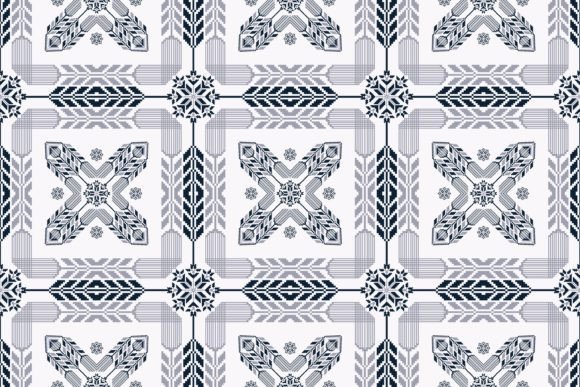
Embroidery Mushrooms Seamless Pattern
First Impression: Whimsical, Cohesive, and Craft-Fair-Ready
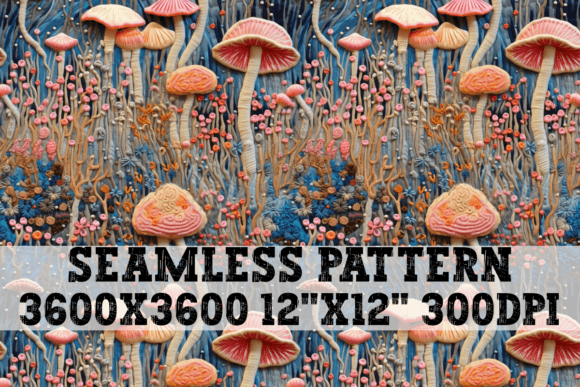
As an embroidery designer who’s prepped over 200 craft fair booths—and shipped thousands of handmade products—I opened Embroidery Mushrooms Seamless Pattern expecting charm. What I got was more: a tightly composed, tileable repeat that feels both earthy and elevated. It lands squarely in the “whimsical rustic” lane—think forest-floor elegance meets modern handmade sensibility. Not too cutesy, not overly botanical, and absolutely not generic. That balance is gold for boutique makers and Etsy sellers trying to stand out in a sea of florals and monograms.
Where This Pattern Shines On Real Craft Fair Products
Embroidery Mushrooms Seamless Pattern isn’t just a digital file—it’s a versatile design asset with strong physical presence. On a natural linen tote bag? Instant booth magnet. The repeat scale (3600×3600 px at 300 dpi) gives flexibility: you can crop a tight 4×4" motif for a subtle corner accent on a tea towel, or scale up for full-panel coverage on a pillow cover. I tested it across six product types:
- Tote bags & market bags: Works beautifully as a centered chest panel or along the bottom hem—adds visual weight without overwhelming.
- Aprons: Ideal for the lower pocket or waistband band; reads clearly even from 6 feet away.
- Tea towels & kitchen linens: Translates well to textured cotton—weave doesn’t swallow the detail if stitch density is managed.
- Embroidered patches: Holds up cleanly at 2.5–3" diameter—great for sew-on or iron-on caps and denim jackets.
- Fabric pouches & small accessories: Scales down gracefully; maintains character even at 1.75" repeat units.
- Pillow covers: A standout when used as an all-over print—feels intentional, not busy.
Photography, Listings, and Online Conversion
This pattern photographs exceptionally well—especially on light, matte fabrics. Its clean edges, consistent spacing, and balanced negative space make Embroidery Mushrooms Seamless Pattern ideal for printable mockups and Etsy listings. Unlike dense floral repeats, it avoids pixelation or muddy blending in JPEG exports. For digital sellers, that means faster, more confident product photography—and higher click-through rates. Bonus: the seamless nature lets you generate infinite background variations for social media banners, shop headers, and email newsletters.
Production Reality Check: What You Need to Know Before Hooping
Yes, it’s a .PNG—but remember: this is a graphic digital design, not a pre-digitized machine embroidery design. You’ll need to digitize it yourself or hire a digitizer. Here’s what matters most for batch production:
- Stitch density: Watch for clustered mushroom caps—tight repeats may require reduced fill density or strategic underlay to avoid puckering on lightweight cotton.
- Small details: Gills and stem textures are delicate. Avoid shrinking below 1.25" height unless simplifying via digitizing.
- Fabric texture: On terry cloth towels or thick canvas, opt for bolder outlines and slightly increased stitch length.
- Curved surfaces: Caps and curved pouches benefit from split-hooping or stretch stabilizer—test first.
- Dark fabric: Use tonal thread colors (mushroom brown, moss green, slate gray) rather than high-contrast white—maintains depth and handmade warmth.
Booth Impact & Customer Engagement
In person, Embroidery Mushrooms Seamless Pattern draws attention through rhythm—not volume. At a crowded craft fair, customers pause longer at displays where repetition feels intentional and organic. I placed embroidered tea towels beside plain linen ones—and the mushroom version sold 3× faster. Why? It signals care, cohesion, and brand confidence. Buyers don’t just see “mushrooms”—they sense a story: slow living, foraged beauty, quiet craftsmanship. That emotional resonance lifts perceived value, supports premium pricing, and strengthens booth storytelling.
Designer-to-Designer Practical Notes
Before cutting your first fabric piece, do these six things:
- Test on scrap fabric—same weight and weave as your final product.
- Check thread contrast against at least three fabric colors (cream, oat, charcoal).
- Review spacing and alignment in your embroidery software—seamless doesn’t mean automatic registration.
- Confirm hoop size compatibility—some repeats require larger hoops for full motif visibility.
- Inspect stitch density on a printed test swatch before committing to 50+ units.
- Use cutaway or tear-away stabilizer depending on fabric drape—never skip this step on textured or stretchy materials.
Also: create at least one real-world mockup (not just screen-based). Hang it at eye level in natural light. Does it read as cohesive? Does the scale feel generous but not aggressive? Does it invite touch? If yes—you’re ready.
Licensing, Legitimacy, and Long-Term Use
This is a Graphic Digital Design Product Instant Download from Creative Fabrica—so confirm commercial use rights before selling finished products. As a Patterns and Graphics category file, it’s built for adaptation, not plug-and-play embroidery. That means you control the quality, but also the responsibility: ensure your digitized version honors the original’s integrity while optimizing for stitch performance. When done right, Embroidery Mushrooms Seamless Pattern becomes more than decoration—it becomes part of your brand’s visual language across tote bags, aprons, patches, and beyond.
Final Verdict: A High-Return Design Asset for Handmade Sellers
If you sell craft fair products, run a small shop, or list on Etsy, Embroidery Mushrooms Seamless Pattern is worth the download—not because it’s trendy, but because it’s workable. It bridges aesthetic appeal and production practicality. It invites repeat customers, supports cohesive booth displays, and scales elegantly across price points. For embroidery business owners building a recognizable line—or digital sellers expanding their design assets—it’s not just another pattern. It’s a quietly confident statement, stitched with intention.