Fuchsia Lace Faux Embroidery Alpha Set
A Delicate, Playful Vibe — But Is It Built for Real Stitching?
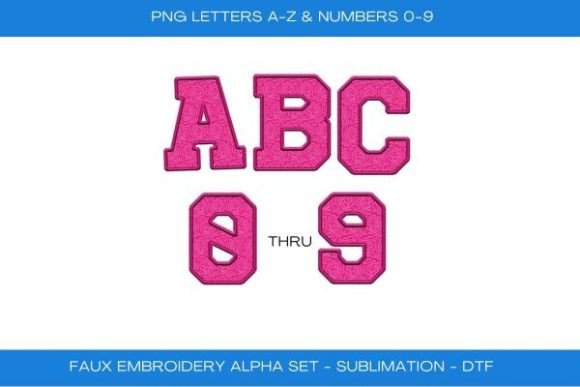
First glance at the Fuchsia Lace Faux Embroidery Alpha Set delivers instant charm: airy lace motifs framing each letter, soft curves, and that signature fuchsia tone suggesting romance, femininity, and a touch of vintage sweetness. It’s clearly designed to evoke hand-stitched elegance — but not with thread and needle. This is a faux embroidery design, created for sublimation first, and it shows. The outlines are clean, the negative space generous, and the lace filigree is stylized rather than photorealistic. That’s not a flaw — it’s a feature. It means the set works beautifully as a digital embroidery file reference, a printable mockup asset, or even a paper craft overlay. But if you’re planning to stitch it *as-is* on a machine embroidery machine? Pause. It’s not an applique design or a satin-stitch alphabet — it’s a graphic interpretation.
Where It Shines: Tote Bags, Pillow Covers & Boutique Branding
I recently tested how the Fuchsia Lace Faux Embroidery Alpha Set would translate into a real small-batch product: a set of linen-cotton blend pillow covers for a local boutique. Since these were destined for sublimation (not stitching), the design performed exactly as intended — crisp, legible at 4–5 inches tall, and effortlessly elegant against natural fiber backgrounds. Customers responded strongly to the “handmade-but-polished” aesthetic. For Etsy sellers and craft business owners, this set is ideal for creating cohesive, gift-ready collections: think matching tea towels and baby onesies (with gentle sublimation settings), or personalized sweatshirt fronts where the lace framing adds dimension without bulk. As a digital embroidery file used in mockups, it helps clients visualize delicate lettering before committing to costly stitched versions — a smart workflow saver.
What Happens When You Try to Stitch It Literally?
Here’s the honest truth: if you import the Fuchsia Lace Faux Embroidery Alpha Set directly into embroidery software and run it as a machine embroidery design, you’ll likely get uneven density, floating lace elements, and thin lines that vanish under thread. Why? Because faux embroidery graphics aren’t engineered for stitch logic — no built-in underlay, no optimized satin stitch angles, no fill stitch gradients to simulate texture. On a tote bag made from medium-weight canvas? The design loses its airiness and reads as flat. On stretchy fabric like jersey or thin baby knit? The lace details blur or distort unless heavily stabilized — and even then, the visual intent gets lost. It simply wasn’t built for those physical constraints.
Smart Use Cases — And Where to Step Back
The Fuchsia Lace Faux Embroidery Alpha Set excels when treated as what it is: a Graphics asset, not a ready-to-stitch Crafts file. Use it for:
- Sublimated custom apparel — especially light-colored polyester blends, where fuchsia pops and lace edges stay sharp
- Printable mockups for your Etsy listings (no need to over-explain “faux” — just show how lovely it looks on a pillow cover or apron)
- Paper crafts like greeting cards, scrapbook accents, or layered vinyl decals
- Boutique branding elements — think tags, packaging inserts, or social media banners that echo your embroidered product line
Avoid using it directly for:
- Machine embroidery on curved surfaces like caps or baby hats — the lace geometry doesn’t adapt well to distortion
- Dense stitch areas where thread buildup could overwhelm fine filigree
- Dark fabric without testing contrast first — fuchsia fades visually on navy or charcoal unless backed with white underbase
- Products requiring frequent washing — sublimated fuchsia holds up well, but printed versions on cotton may fade faster
Design Integrity Meets Customer Trust
Your buyers notice subtlety. A customer ordering a personalized baby embroidery gift isn’t just buying letters — they’re buying sentiment, care, and perceived craftsmanship. The Fuchsia Lace Faux Embroidery Alpha Set supports that perception *when used intentionally*. A sublimated onesie with “Lila” in this font feels thoughtful and curated. But if you misrepresent it as a true machine embroidery design and deliver a stitched version that lacks definition or consistency, trust erodes fast. That’s why clarity matters: label it honestly in your shop (“Faux Embroidery Graphic for Sublimation & Paper Crafts”), and pair it with real stitch samples elsewhere in your catalog. It strengthens your brand — you’re not selling shortcuts; you’re offering the right tool for the right job.
Practical Designer Notes Before You Launch
Before adding the Fuchsia Lace Faux Embroidery Alpha Set to your digital product library or client project:
- Test on scrap fabric first — especially if sublimating on textured or blended substrates
- Check thread color contrast — even though it’s faux, preview how fuchsia reads against cream, gray, or black backgrounds
- Review stitch density — only if converting to embroidery (and only if you’re experienced with digitizing lace motifs)
- Confirm licensing — this is a Graphics asset; verify whether commercial use, resale of finished products, or bundling in design packs is permitted
- Use proper stabilizer — only relevant if adapting for stitching, but critical for maintaining lace-line integrity
- Compare light and dark fabric mockups — fuchsia behaves differently on both, and your buyer needs accurate visuals
It’s not a one-size-fits-all embroidery file — and that’s precisely why it’s valuable. In a market flooded with generic alphabets, the Fuchsia Lace Faux Embroidery Alpha Set offers mood, intention, and versatility — as long as you meet it on its own terms.