Rotary Phone Applique Embroidery
A Nostalgic Shape That Actually Stitches Clean
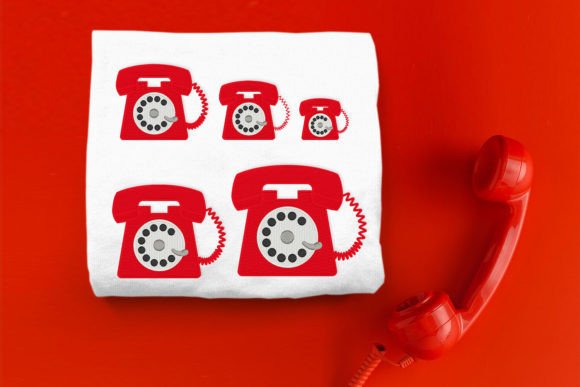
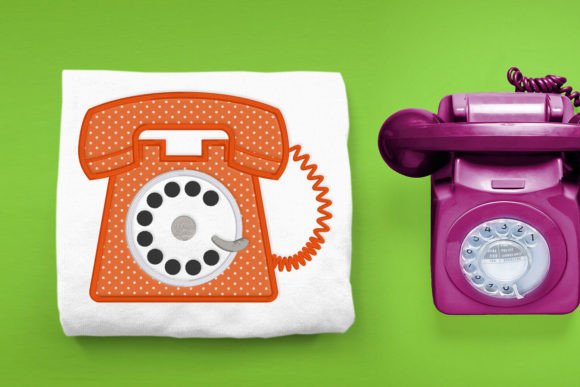
First impression? This isn’t just another retro clipart knockoff. The Rotary Phone Applique Embroidery lands with quiet confidence—clean outlines, balanced negative space, and a shape that reads instantly, even at 3 inches tall. It’s not overly detailed (no tiny dials or chrome reflections), but it doesn’t need to be. The handset sits slightly angled, the cord loops with gentle rhythm, and the base has just enough contour to avoid looking flat. As a designer who’s stitched hundreds of vintage motifs, I appreciate how this avoids visual clutter while still feeling *authentic*. It leans into charm without tipping into kitsch—a rare win for any applique design.
Where It Shines in Real Projects
Last week, I used the Rotary Phone Applique Embroidery on a set of linen tea towels for a local café’s “Retro Diner” pop-up. No sweatshirts, no tote bags—just simple, medium-weight cotton-linen blend. The result? Crisp satin stitch edges, smooth fill-stitch base, and zero puckering. Customers kept pointing: “That’s my grandma’s phone!” That kind of recognition is gold for a handmade product. It works especially well on pillow covers, aprons, and kitchen towels—surfaces where clarity matters more than complexity. For custom apparel, I’d place it front-and-center on a crewneck sweatshirt (left chest or back yoke), not on a sleeve or curved hem. On baby items? Perfect for a onesie pocket or bib—soft, legible, and emotionally warm without being cutesy.
Where to Pause—and Why
This isn’t a one-size-fits-all machine embroidery design. On stretchy fabric like jersey or ribbed knits, you’ll need cutaway stabilizer—not tear-away—and possibly a light topping to keep satin stitch from sinking. Thin fabrics (think lightweight chambray or voile) risk show-through on dense fill areas; test first. And skip it entirely for caps or curved surfaces unless your hoop size and machine support precise rehooping—the handset’s rounded base doesn’t adapt well to tight curves. Also, avoid dark thread on dark fabric without a white underlay; the dial’s center detail vanishes without contrast. If you’re prepping embroidered patch versions, confirm whether the file includes a clean border stitch—some versions do, some don’t.
What Buyers Actually Notice (and Remember)
Here’s what shifts perception: stitching clarity directly affects perceived value. A sharp, well-digitized Rotary Phone Applique Embroidery signals care—not just nostalgia. On an Etsy listing for personalized gifts, it adds instant storytelling: “For the tech historian,” “Grandpa’s first phone,” “Nursery decor with soul.” That elevates a plain pillow cover from “nice” to “meaningful.” It also reinforces brand consistency for boutique owners—if your shop leans mid-century modern or quiet Americana, this fits like a glove. But overuse dilutes impact. One phone per item feels intentional; three scattered across a tote bag feels like filler. Trust your eye: if it wouldn’t hold up in a printable mockup at 75% size, reconsider placement.
Designer Notes You’ll Want Before Hitting Start
Before committing to a client project or batch production:
- Always test on scrap fabric—especially if using textured weaves or blends. Linen, terry cloth, and canvas behave very differently under needle pressure.
- Review stitch density in your software. High-density fills look rich on home decor, but can stiffen baby clothes. Adjust if needed—or choose a lighter version if the file offers variants.
- Confirm hoop size. This design likely fits comfortably in a 4x4, but double-check before hooping ten identical sweatshirts.
- Inspect small details—like the cord loop near the base. Does it stitch cleanly at your chosen size? Zoom in digitally before sewing.
- Test black-and-white mockups. Does the shape read equally well on light and dark backgrounds? Contrast matters more than color choice.
- Use proper stabilizer: medium-weight cutaway for stable fabrics, tear-away + topping for knits, fusible web for applique layers.
- Verify licensing—especially if selling finished items or bundling as design assets. The description says “This machine embroidery design comes with multip…” but doesn’t specify terms. Check the source before listing on Etsy or using in a craft business wholesale line.
Final Thought: Not Just a Design—A Conversation Starter
The Rotary Phone Applique Embroidery succeeds because it’s functional *and* evocative. It stitches reliably across common House-category projects—pillowcases, towels, aprons—but also bridges into apparel and gifting with ease. It won’t wow with technical fireworks, but it delivers something rarer in embroidery: quiet confidence. For the Etsy seller building a cohesive collection, the small shop product owner curating seasonal decor, or the creative entrepreneur designing custom merchandise, this is the kind of digital embroidery file that earns repeat use—not because it’s flashy, but because it’s trustworthy. Stitch it right, pair it thoughtfully, and it becomes more than decoration. It becomes memory, made tangible.