Split Arrow Machine Embroidery Design
A Thoughtful, Meaningful Embellishment for Handmade Gifts
As an embroidery designer who’s stitched thousands of personalized keepsakes—from baby blankets to wedding towels—I was immediately drawn to the Split Arrow Machine Embroidery Design. It’s not flashy or overly ornate, but it carries quiet emotional weight: two gentle arrowheads parting with soft intention, like a promise held in balance. Visually, it reads as elegant yet approachable—neither too modern nor too traditional, making it ideal for handmade products that need to feel both personal and timeless. The line work is clean, the curves are fluid, and there’s just enough subtle detail to suggest craftsmanship without overwhelming delicate fabrics.
Where This Design Truly Shines
The Split Arrow Machine Embroidery Design excels in projects where meaning matters more than mass appeal. I’ve used similar motifs for baby embroidery on organic cotton swaddles—its open shape avoids bulk, and the clean silhouette photographs beautifully on nursery decor. For wedding gifts, it adds quiet symbolism to embroidered towels or linen pillow covers—think “two paths becoming one,” stitched in ivory thread on oatmeal linen. It’s also a standout for family keepsakes: imagine it centered on a lightweight throw blanket, flanked by embroidered names and a date. Because it’s categorized under Shapes, it works as a versatile anchor—not a busy focal point, but a grounding symbol that invites interpretation.
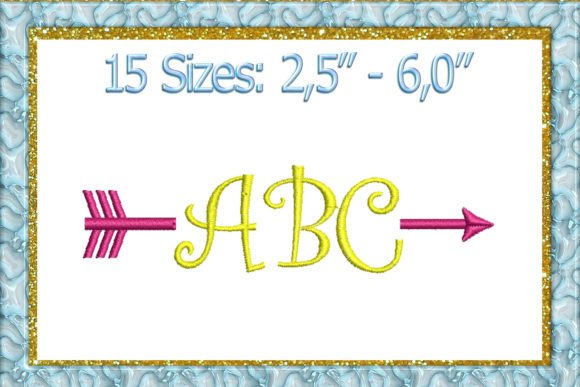
Small shop owners and Etsy sellers will appreciate how easily this machine embroidery design integrates into seasonal collections. It pairs naturally with holiday keepsakes (stitched on velvet stockings), custom gift boxes (embroidered on fabric lids), and craft fair products like aprons or tote bags—especially when paired with minimalist text or left solo for understated charm. And because it’s a digital embroidery file, you can scale it thoughtfully: slightly larger for blanket embroidery, reduced for pillow cover corners, or even nested inside a monogram frame (though remember—the monogram shown in the Creative Fabrica preview is illustrative only and not included).
Practical Considerations for Real-World Stitching
Before stitching your first Split Arrow Machine Embroidery Design, take time to assess your project’s practical needs. On textured towels, use a medium-weight cutaway stabilizer to prevent puckering around the split’s inner curve. For stretchy baby clothes, pair tear-away with light fusible for stability without stiffness. Thick blankets? Opt for a firm cutaway and reduce stitch density if the file allows—or confirm density details on Creative Fabrica before purchase, since it’s not specified in the listing.
Dark fabric calls for high-contrast thread colors—navy or charcoal thread on cream linen reads rich and intentional; gold or blush thread on charcoal denim adds warmth without glare. Always create a test stitch-out first. Check how the split’s narrow inner gap holds up—delicate shapes like this can blur if thread tension is off or if the fabric shifts mid-stitch. Compare thread colors in natural light, not just on screen, and test on a scrap of your actual fabric, especially if it’s napped, fuzzy, or loosely woven.
Building Trust Through Thoughtful Embroidery
In handmade markets, customers don’t just buy products—they buy care, intention, and perceived quality. The Split Arrow Machine Embroidery Design supports that trust. Its balanced composition photographs cleanly, which elevates your product photography and printable mockups. When buyers see crisp, well-spaced stitching on an embroidered towel or pillow cover, they read it as professional, considered, and worth the investment. That perception directly impacts buyer engagement—especially for wedding gift buyers or new parents seeking heirloom-quality pieces.
For Etsy sellers, this design helps differentiate listings in saturated categories. A simple tote bag becomes meaningful when anchored by the Split Arrow Machine Embroidery Design; a baby onesie gains quiet significance without cutesy clichés. It’s also ideal for commercial embroidery—small shops can offer it as a signature add-on for custom orders, reinforcing brand consistency across baby embroidery, nursery decor, and personalized home decor lines.
Key Embroidery Notes Before You Stitch
- Create a test stitch-out—especially on your final fabric type—to verify clarity in the split area and overall proportion.
- Check small details after stitching: Does the inner gap remain distinct? Are edges smooth, or does thread nesting occur?
- Compare thread colors in daylight, not just under studio lighting—subtle tones shift dramatically.
- Test on similar fabric first: towel terry behaves differently than quilting cotton or linen blend.
- Confirm hoop size and whether the design fits comfortably within your machine’s throat space—some split motifs require wider clearance.
- Review stitch density carefully—dense fills may overwhelm lightweight fabrics; looser fills may lack definition on dark backgrounds.
- Use proper stabilizer for your fabric texture: cutaway for knits and towels, tear-away for stable wovens, fusible for slippery silks or linens.
- Always review product details and licensing on Creative Fabrica before selling finished products—this embroidery file is intended for handcrafted, small-batch use, and terms may vary.
A Design That Grows With Your Craft
The Split Arrow Machine Embroidery Design isn’t just another Embroidery download—it’s a quietly powerful tool for makers who value emotional resonance over trend-chasing. Whether you’re stitching baby embroidery for a newborn announcement, crafting wedding gifts for a couple who values symbolism, or building a cohesive line of personalized home decor, this design adapts gracefully. It doesn’t shout—it invites. It doesn’t clutter—it centers. And in a marketplace full of noise, that kind of thoughtful simplicity is rare, valuable, and deeply appreciated by customers who choose handmade.
If you're curating a collection of meaningful Creative Fabrica embroidery files for your small shop or personal projects, this one deserves a place—not as filler, but as a foundational motif. Use it intentionally, stitch it carefully, and let its quiet strength speak through every finished product.