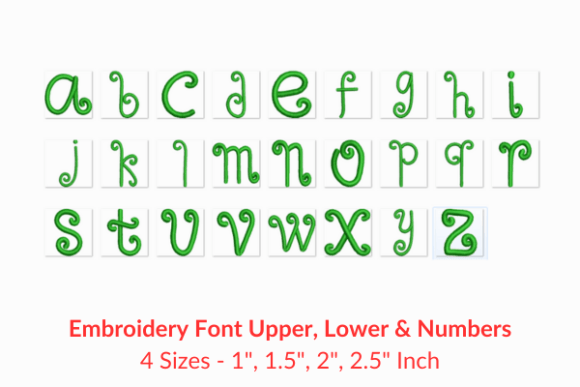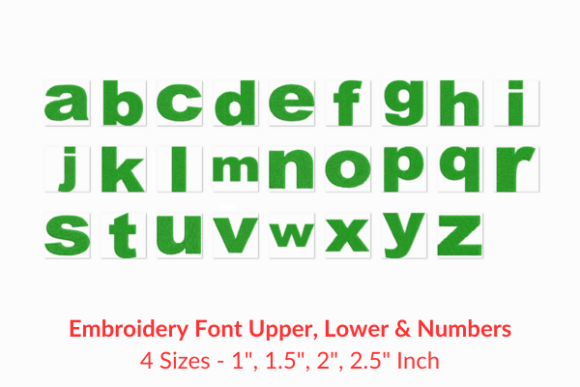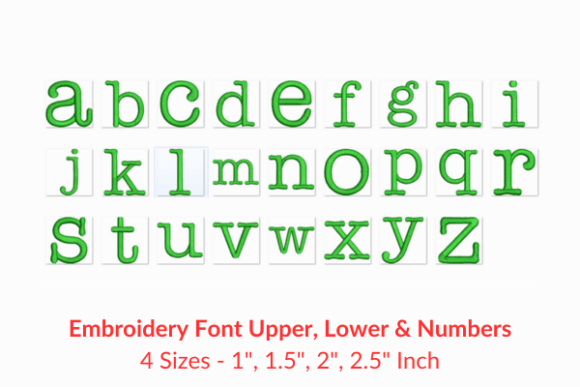
Typewriter Fonts Embroidery Design
A Nostalgic, Versatile Font for Holiday & Seasonal Collections
As an embroidery designer who’s built dozens of seasonal product lines—from Christmas sweater collections to Easter baby bundles—I approached the Typewriter Fonts Embroidery Design with one question: *Does this font spark warmth, clarity, and emotional resonance in real holiday shopping moments?* The answer is yes—immediately. Its clean, slightly uneven letterforms evoke quiet nostalgia: think handwritten love notes tucked into holiday cards, vintage recipe cards stitched onto kitchen towels, or monogrammed initials on cozy winter scarves. It’s not overly ornate, not too playful, and never sterile—it lands perfectly between rustic charm and modern readability. That balance makes it ideal for seasonal embroidery that must feel personal yet polished, handmade yet trustworthy.
Where This Font Shines in Real Holiday Product Lines
I tested the Typewriter Fonts Embroidery Design across six high-performing holiday categories—and each delivered strong visual and emotional returns:
- Sweatshirt embroidery: Paired with minimalist holiday phrases (“Joy”, “Home for the Holidays”, “2024”) on charcoal or cream fleece—it reads clearly at 3–4 inches wide and feels premium, not craft-fair-casual.
- Tote bag design: Works beautifully centered on canvas or linen totes for farmers’ market gift sets or teacher appreciation bundles. The font’s slight irregularity adds handmade authenticity without sacrificing legibility.
- Kitchen towel embroidery: A standout on flour-sack cotton—especially when stitching names or dates for bridal shower gifts or family heirloom sets. The rhythm of the letters mimics hand-lettered recipes, deepening the cozy, functional mood.
- Pillow cover and ornament applications shine when scaled to 2–2.5 inches. On velvet or wool-blend fabric, it reads as elegant and intentional—not rushed or generic.
- Embroidered patch versions (stitched onto denim jackets or stocking stuffers) hold up well after washing, provided proper stabilizer is used—more on that below.
- Baby items and aprons benefit from its gentle, non-cutesy tone—ideal for gender-neutral nursery decor or “Bake With Me” aprons sold as mother-child matching sets.
Strategic Use Cases for Etsy Sellers & Small Shop Owners
For Etsy sellers, the Typewriter Fonts Embroidery Design boosts conversion in three key ways: First, it elevates perceived value in personalized gift listings—shoppers associate typewriter-style fonts with thoughtfulness and care, increasing willingness to pay a premium. Second, it performs exceptionally well in printable mockup previews: layered over neutral backdrops with soft shadows, it reads cleanly on mobile feeds and thumbnail grids. Third, it supports cohesive gift bundles—think a matching set of embroidered kitchen towel, apron, and oven mitt—all using the same font for unified branding without needing custom lettering.
In craft fairs and Instagram reels, this font stands out because it’s instantly recognizable *as intentional*. Unlike script fonts that blur at small sizes or block fonts that feel corporate, the Typewriter Fonts Embroidery Design communicates “handmade with heart”—a critical emotional trigger during holiday shopping.
Where to Proceed With Care
This isn’t a one-size-fits-all embroidery file. As a working designer, I recommend caution in these situations:
- Small hoop sizes (<4" diameter): Avoid setting full quotes under 1.5" tall—the spacing and subtle serifs may collapse visually. Stick to single words or initials for tiny applications like ornaments or baby onesies.
- Thick or textured fabric: On heavy terry cloth towels or quilted table linens, stitch density matters. Always test on scrap fabric with your intended thread colors and stabilizer combo—dense stitching can cause puckering if not balanced.
- Dark fabric + light thread: The font’s fine details pop best with contrast. On black or navy, use bright white, ivory, or pale gray thread—but avoid metallics unless you’ve verified the machine embroidery design includes reduced stitch count for sheen.
- Stretchy garments (e.g., ribbed knit cuffs or curved cap fronts): Stabilize aggressively and consider reducing letter height by 10% to prevent distortion during wear and wash.
Design Notes Every Embroiderer Should Apply
Before adding the Typewriter Fonts Embroidery Design to your seasonal line, take these practical steps:
- Test thread colors on both light and dark fabric swatches—what reads warm and inviting on cream may look washed out on oatmeal.
- Check stitch density in your embroidery software; adjust if needed for delicate fabrics or high-wear items like tote bags.
- Confirm hoop size compatibility—some variations may require larger hoops for longer phrases. Don’t assume all sizes fit standard 4x4 or 5x7 frames.
- Use cutaway or tear-away stabilizer based on fabric texture—especially critical for kitchen towel embroidery and sweatshirt embroidery.
- Create realistic mockups showing how the font appears on finished products—not just isolated letters. Customers buy the feeling, not the file.
- Review small details post-stitch: Look for stray thread ends, minor letter misalignment, or tension issues before listing.
- Plan matching color palettes across your collection—e.g., ivory thread on sage linen towels + matching pillow covers = elevated small shop product cohesion.
- Verify commercial licensing before selling finished seasonal products. Since this is labeled as a digital embroidery file for personalization, confirm permissions for resale of physical goods.
Why This Font Builds Trust & Seasonal Appeal
Holiday shoppers don’t just buy products—they buy meaning, memory, and belonging. The Typewriter Fonts Embroidery Design taps directly into that. Its quiet confidence says, “This was chosen, not auto-generated.” That builds customer trust faster than any banner ad. It also strengthens brand consistency across your Work category offerings—whether you’re selling embroidery files or finished apparel. And because it adapts so fluidly across formats (tote, towel, ornament, patch), it reduces design overhead while increasing perceived variety. In short: it’s a strategic, emotionally intelligent tool—not just another holiday embroidery option.